So much healing takes place in the unseen.
Okay, let’s get a little sciencey here.
Your cells don’t work alone.
They pack messages into tiny bubbles called exosomes and send them to each other all day long. Proteins. Fats. Genetic instructions. Little care packages from a cell that really knows you.
Think of them as mail carriers. Each one is a care package addressed to another cell.
When that mail system runs well, you feel it. When it’s disrupted by stress, inflammation, years of running on empty?
She doesn’t go quiet. She gets louder.
Those afternoon crashes, the brain fog, the bloating. That’s your body raising her voice.
You could line up a thousand of them across one strand of your hair.
- one exosome
- 30 to 150 nm
- one strand of hair
- 80,000 to 100,000 nm
Now stay with me here.
Food makes them too.
Here’s what nobody taught you in nutrition class.
Plants, mushrooms, milk and even bees make their own exosome-like nanovesicles. When you eat them, they meet the cells lining your gut and the bacteria living there.
colostrum
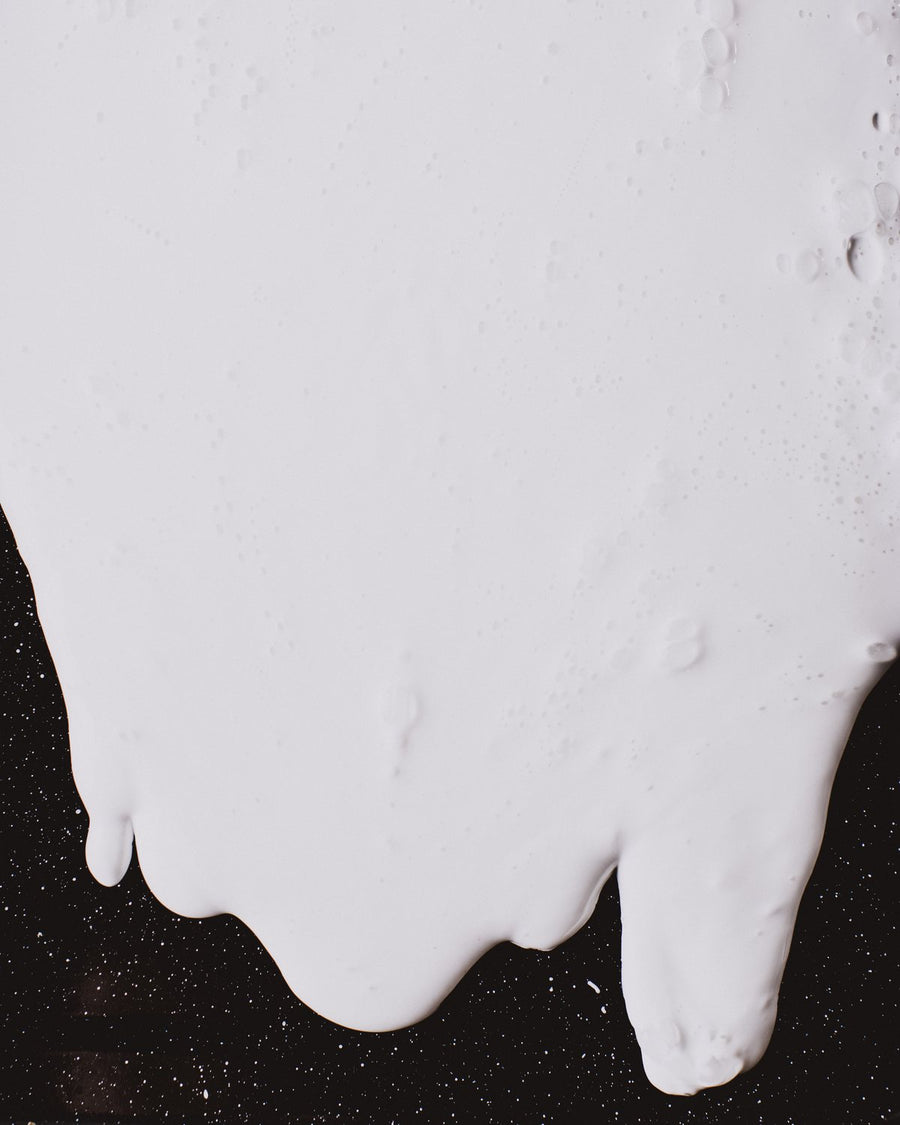
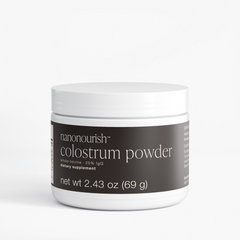
Colostrum is loaded with exosomes. One of the richest natural sources there is.
colostrum powder
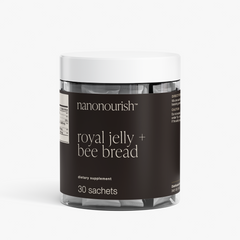
royal jelly + bee bread
Royal jelly is loaded with exosomes. Bee pollen carries its own.
royal jelly + bee bread
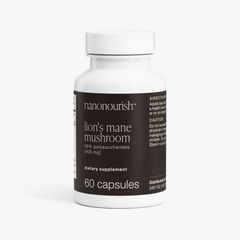
mushrooms
Mushrooms make their own exosome-like vesicles. And your gut talks to your brain.
lion’s mane mushroomResearchers have pulled them out of ginger, grapes, citrus, broccoli, blueberries, beets, seaweed and mushrooms.
I’ve pulled them out of 20 fruits and vegetables myself.
This is where interspecies communication happens.
This is where “you are what you eat” stops being a cute saying and becomes biochemistry.
Read that again.
Nobody in wellness is talking about exosomes from a whole-food perspective.
I am.
Pulling exosomes out of food is literally what I published on.
This is my territory.
Most supplement companies think in milligrams. I think in nanometers.
That’s why I reach for whole-food forms first.
- Colostrum instead of isolated proteins.
- Royal jelly and fermented bee pollen.
- Sea moss and brown seaweed.
- Whole mushroom powders.
These are the forms that carry the messengers.
The short answers. The honest ones.
What are exosomes?
Exosomes are tiny packages your cells release to send messages. They belong to a bigger family called extracellular vesicles. The smallest are about 30 to 150 nanometers across, and they carry proteins, fats and genetic cargo like microRNA from one cell to another.
Do foods really carry exosomes?
Many do. Scientists have isolated exosome-like vesicles from milk and colostrum, fruits and vegetables, mushrooms, seaweed and bee products like royal jelly. I have isolated them myself from 20 everyday fruits and vegetables. What happens to them after you eat them is still being worked out.
Why do you say “exosome-like”?
Exosome is a precise word for vesicles that animal cells make in one particular way. Plants and mushrooms release similar vesicles, but how they form is not fully proven, so scientists call them exosome-like vesicles or nanovesicles. I use the careful word on purpose.
Do food vesicles survive digestion?
Some do in the lab. Milk vesicles have held up in models of stomach and gut conditions and been taken up by gut cells. Human data is still thin, and one study found no rise in milk microRNAs in people’s blood after drinking milk. The research library shows both sides.
Is colostrum a good source?
Colostrum, the first milk, is dense with antibodies, growth factors and milk vesicles, and its vesicles are the best studied of anything on our shelf. How many stay intact after colostrum is dried into a powder has not been measured yet, and I would rather tell you that than guess.
Do nanonourish™ supplements contain exosomes?
Several of our ingredients, like colostrum, royal jelly, bee bread and mushrooms, come from foods that naturally carry vesicles. We have not measured how many intact vesicles remain after drying and packaging, so we do not put a number on the label. That measurement is on my list.
Are exosome products FDA approved?
No. There are no FDA-approved exosome products, and the FDA does not approve dietary supplements before they are sold. nanonourish™ products are dietary supplements, not treatments, and they are not intended to diagnose, treat, cure or prevent any disease.
Who is Dr. Kaylan Jackson?
I’m a PhD chemist (Clemson University, 2022). My research built fast, clean ways to pull extracellular vesicles, including exosomes, out of foods and human samples like saliva, urine and milk. I founded The Well Place and built nanonourish™ on that work.
I spent years fixing my gaze on things too small to see. And that’s where I found some of the most beautiful design in the whole body.
So much healing takes place in the unseen.